
Getting dressed for the office shouldn’t feel like choosing between looking professional and feeling comfortable. A truly great work outfit supports you through a full schedule, commuting, sitting at a desk, walking between meetings, grabbing lunch, and maybe even heading to an after-work plan, without itching, pinching, overheating, or wrinkling beyond repair. The secret is building outfits around fit, breathable fabrics, and practical styling choices that still read polished. When you treat comfort as part of your style strategy (not an afterthought), you’ll look sharper and feel more confident from morning to evening.
Start with the Right Dress Code “Base” (So You Don’t Overthink It)
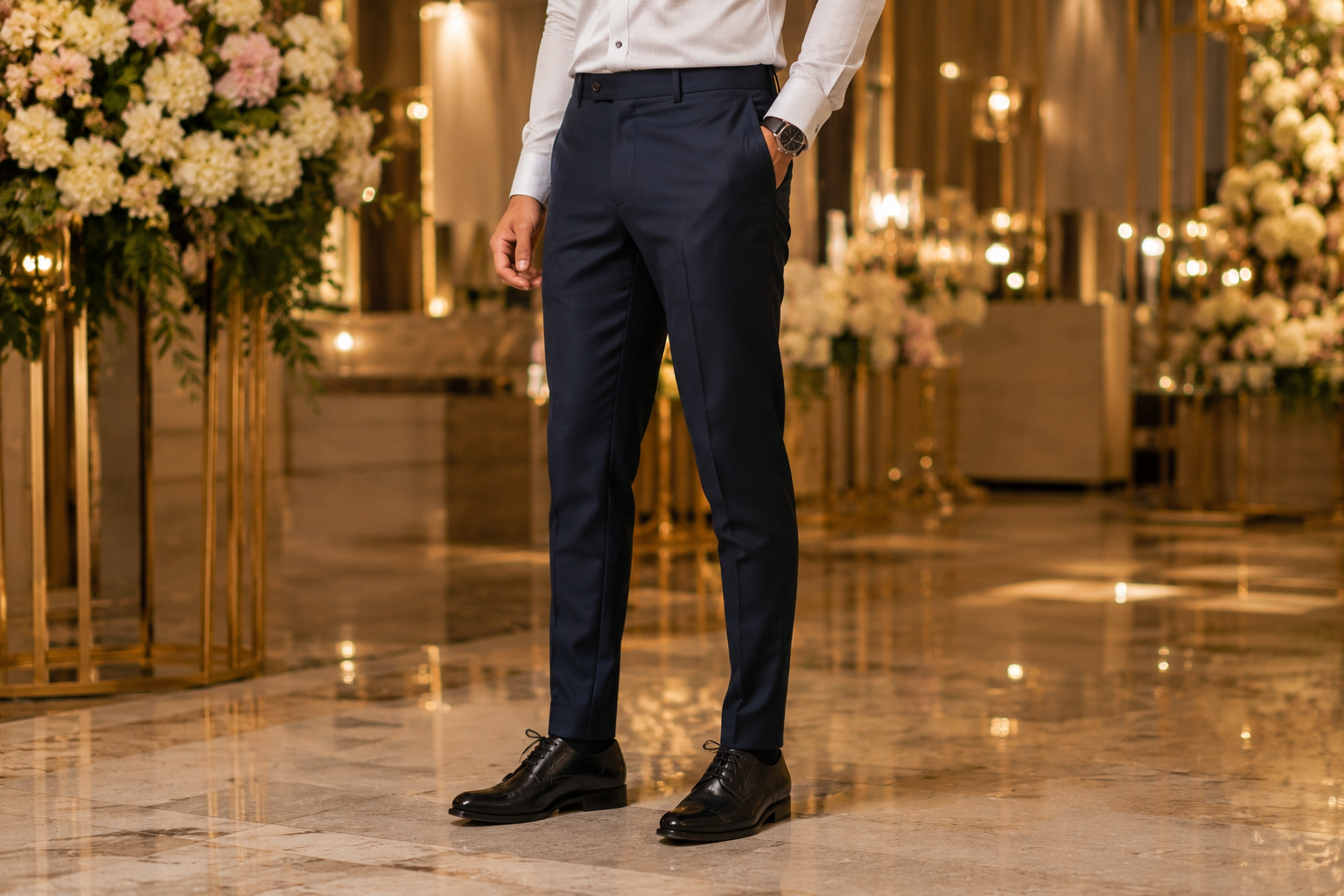
Before you pick pieces, define what “office appropriate” means where you work. Business formal, business casual, and smart casual can look very different, and even within the same company, there may be nuance depending on your role, client meetings, or department norms. A simple method is to keep two outfit formulas ready: a more elevated version for presentation days and a relaxed-but-polished version for regular desk days. Including versatile office pants for men in these templates ensures every outfit is comfortable, professional, and easy to assemble. Once you have these templates, shopping and daily dressing become easier because every item you buy has a clear purpose. The most comfortable wardrobe is the one that removes guesswork and helps you get ready quickly without sacrificing professionalism.
Choose Fabrics That Breathe, Stretch, and Still Look Structured
All-day comfort starts with fabric. Natural fibers like cotton, linen (in blends), and wool can regulate temperature well, while well-made synthetics and knits can add durability, stretch, and wrinkle resistance. Look for labels that mention “stretch,” “recovery,” or “easy care,” especially for pieces you’ll sit in for hours. Structure matters too: you want items that hold their shape at the shoulders, waist, and knees instead of sagging by mid-afternoon. If your office runs hot or cold, prioritize layering-friendly fabrics, lightweight knits, breathable blouses, and lined pieces that don’t trap heat. The best work fabrics feel flexible but look crisp enough to pass the conference-room test.
Pick Bottoms You Can Sit, Walk, and Work In (Without Constant Adjusting)
Office bottoms are where comfort can quietly make or break your entire day. Waistbands that dig in, stiff fabrics, or cuts that restrict your stride will distract you constantly. Look for trousers and skirts with a comfortable rise, enough room through the hips and thighs, and fabric that moves with you. Straight-leg, tapered ankle, and wide-leg silhouettes can all be office-ready, but the key is mobility and shape retention. This is also where 4-way Lycra fabric pants can be a smart choice: the multidirectional stretch supports movement while still maintaining a sleek, tailored look that fits business casual environments. Whatever style you choose, do a quick “real-life test” at home, sit, stand, take big steps, and check if the fabric pulls, wrinkles heavily, or slides down.
Select Tops That Look Polished but Feel Effortless
A comfortable top should let you move your arms freely, sit without pulling at the buttons, and stay breathable throughout the day. Blouses, fine-gauge sweaters, elevated tees, and modern button-downs can all work; what matters is the fit through the shoulders and bust, plus fabric that doesn’t cling or itch. If you dislike fussy adjustments, choose tops with minimal hardware (fewer buttons, no scratchy embellishments) and fabrics that drape naturally. Neck should feel secure and professional, and sleeves should allow comfortable typing and reaching. For easy outfit-building, keep a core set of neutral tops (white, navy, black, cream) and add a few color accents or subtle patterns to rotate without repeating the same look.
Layer Smartly: Blazers, Cardigans, and Light Jackets That Don’t Feel Stiff
Layering is your best tool for office comfort because temperatures can change dramatically between outdoors, transit, and air-conditioned interiors. A blazer instantly adds structure, but it shouldn’t feel restrictive. Look for softer tailoring, stretch lining, or knit-blazer styles that keep the polished silhouette without the stiffness. Cardigans can work beautifully in smart-casual settings, especially when the fit is clean, and the hemline doesn’t overwhelm your frame. If you commute, a lightweight trench or structured jacket can complete the look while protecting you from wind or rain. The best layers are pieces you can comfortably wear at your desk without feeling like you need to take them off the second you sit down.

Shoes for All-Day Wear: Support, Professionalism, and Practicality
Shoes are often the biggest factor in whether you feel good at 3 p.m. Choose pairs that match your day: loafers, supportive flats, low block heels, ankle boots, and sleek dress sneakers can all be office-appropriate. Focus on stability, cushioning, and enough room in the toe box, especially if you walk during your commute or move around the office frequently. If you love heels, a lower height with a wider base tends to be more wearable all day than narrow stilettos. A helpful habit is keeping a backup pair at work for emergencies like weather changes, unexpected walking, or long meeting days.
Conclusion
All-day office style is about choosing pieces that work with your life, not against it. When you prioritize breathable fabrics, flexible fits, supportive shoes, and practical layers, you can create outfits that look professional without feeling restrictive. Think in outfit formulas, invest in comfort-forward essentials, and test your clothes in real movement, not just in the mirror. The result is a wardrobe that helps you stay focused, feel confident, and look consistently polished from your first task of the day to your last.





Write a comment ...